Packaging plays a far greater role in the food and consumer goods industries than simply containing a product. From protecting food safety to supporting efficient distribution, packaging systems are essential to maintaining quality from production through to consumption. As supply chains become more complex and consumer expectations increase, businesses are relying more heavily on advanced packaging solutions to preserve food products and reduce waste.
One of the most significant developments in recent years has been the growth of flexible packaging. Used widely across packaged food products, flexible formats are now central to modern food packaging technology, offering improved shelf life, enhanced product freshness and greater design flexibility than traditional rigid options. This shift highlights how modern food packaging technology is reshaping the way manufacturers protect food products, manage shelf life and respond to evolving supply chain demands.
Ultra Labels continues to invest in innovative packaging solutions, supporting food packaging manufacturers across Australia with reliable, future-focused packaging expertise.
Key Takeaways
- Modern food packaging technology plays a critical role in extending shelf life and protecting product freshness across the food supply chain.
- Flexible food packaging uses advanced packaging materials and smart packaging technologies to preserve food safety and reduce food waste.
- Barrier systems, such as oxygen barrier films, help prevent food spoilage and maintain food quality.
- Sustainable food packaging innovations are improving performance while addressing environmental impact.
- Choosing the right food packaging materials can support longer shelf life, reduce packaging waste and meet evolving consumer expectations.
Understanding Flexible Packaging
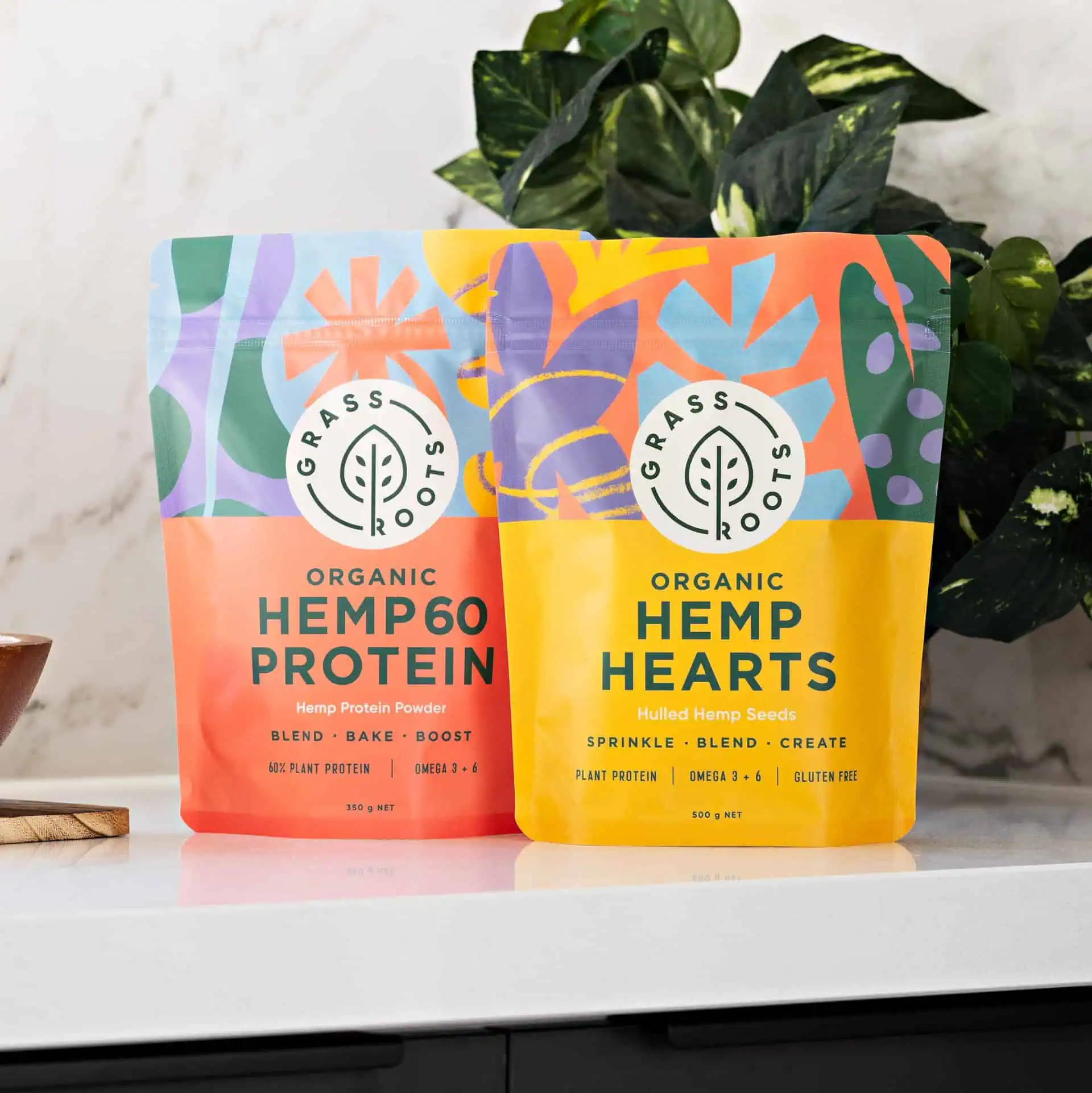
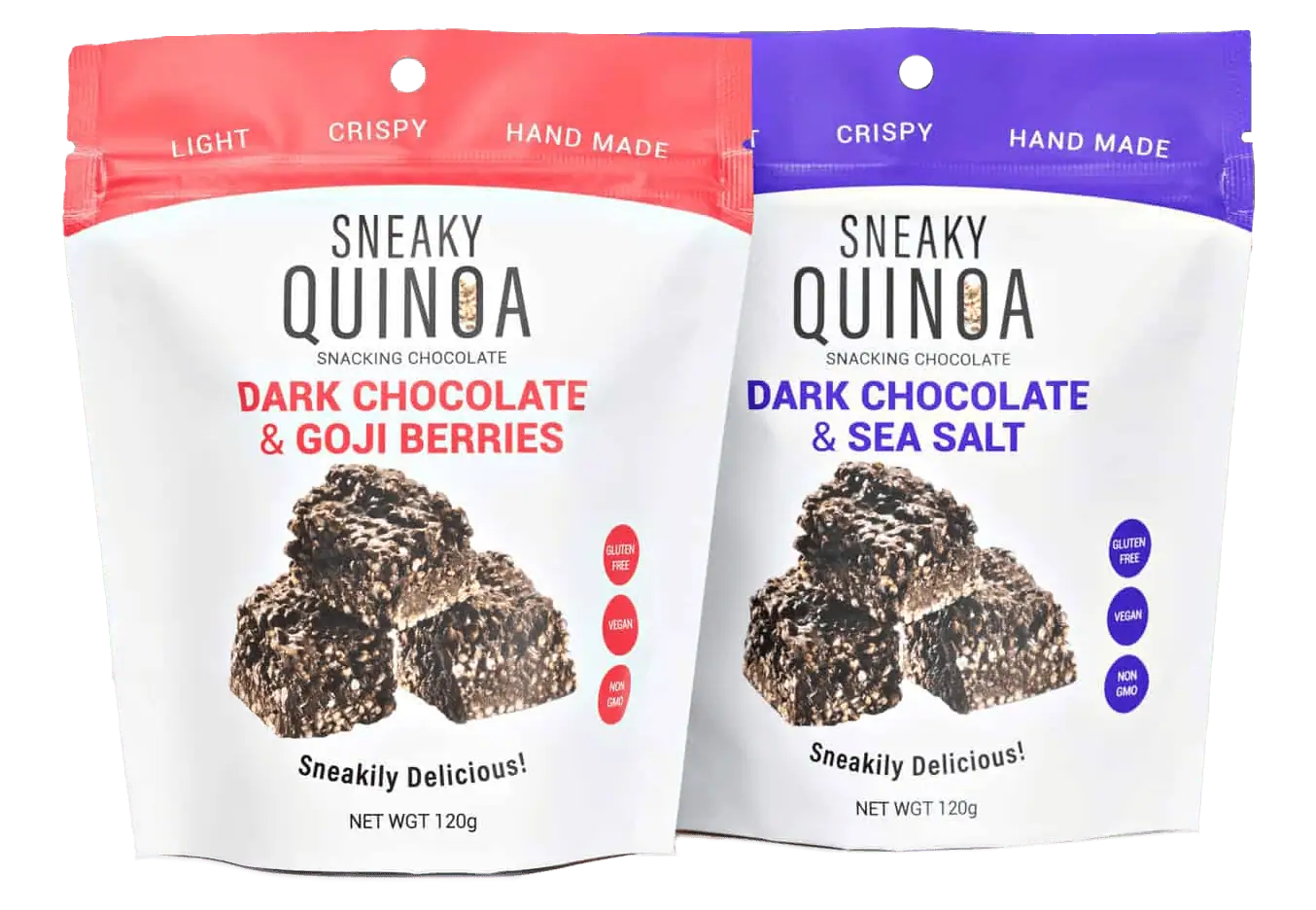
Flexible packaging refers to packaging created from materials that easily adapt to the shape of a product. Common formats include pouches, sachets, wraps and films used to package food and consumer goods. These packaging systems are typically made from layered packaging materials such as plastic packaging, aluminium foil and paper-based packaging, each selected for specific performance requirements.
Compared to rigid packaging, flexible packaging offers clear advantages. It uses fewer raw materials, supports efficient manufacturing processes and often reduces packaging waste. Flexible formats also enable innovative packaging design, allowing for resealability, portion control and improved consumer convenience.
Within the food packaging industry, flexible packaging has become a preferred choice due to its ability to protect food products while adapting to changing consumer preferences. Its versatility makes it suitable for fresh food, frozen foods and shelf-stable products across the broader food industry.

The Science Behind Shelf Life
Shelf life refers to the length of time a food product remains safe and suitable for consumption while maintaining its intended quality. Factors such as oxygen exposure, moisture, light and temperature all directly influence food shelf life and product safety.
Without effective packaging, food spoilage can occur rapidly. Oxygen accelerates oxidation, moisture encourages microbial growth, and light exposure can degrade sensitive ingredients. This is where food packaging technology plays a vital role in preserving food safety and maintaining food quality.
Flexible packaging uses advanced barrier structures, including oxygen barrier films, to protect food and slow down deterioration by limiting oxygen exposure and controlling internal conditions. These structures are particularly important in the food packaging process, where consistency and reliability are essential.
By improving control over environmental factors, flexible packaging helps extend shelf life and supports food preservation throughout the food supply chain. This contributes to preventing food waste, reducing food loss and improving efficiency across food distribution networks.
How Flexible Packaging Extends Shelf Life
One of the key strengths of flexible packaging lies in its barrier performance. High-performance oxygen and moisture barriers protect food products from external elements that contribute to deterioration. In particular, oxygen barrier films and coatings for dry food market applications play a critical role in protecting snacks, powders and shelf-stable goods.
Flexible packaging can also be customised to suit specific product requirements. Multi-layer structures allow packaging companies to balance durability, flexibility and protection, ensuring packaging systems align with product shelf life and distribution conditions. This level of customisation supports longer shelf life while maintaining product safety and integrity.
According to packaging specialists at Ultra Labels, selecting the correct materials is essential for effective shelf life management.
“Choosing the right barrier properties allows packaging to work with the product, not against it, helping to extend shelf life while preserving food safety across the supply chain,” explains [Name and title].
In addition to protection, flexible packaging supports supply chain efficiency. Lightweight formats reduce transportation demands, while consistent performance helps maintain product shelf life from manufacturing through to food distribution. Together, these benefits help reduce food waste and support sustainable packaging practices.

Enhancing Product Freshness
Product freshness plays a major role in consumer satisfaction and brand trust, particularly as the latest food packaging technology continues to raise expectations around food quality, safety and convenience. Freshness influences purchasing decisions and directly impacts brand reputation within competitive markets.
Flexible packaging helps maintain product freshness through features such as resealable closures, vacuum sealing and advanced sealing technologies. These features minimise repeated exposure to air and moisture, helping protect food products after opening.
Smart packaging and intelligent packaging technologies are also becoming more common within the food packaging industry. These solutions support real-time monitoring of conditions such as temperature or gas levels, improving food safety outcomes and helping preserve product freshness throughout the food supply chain.
Ultra Labels delivers innovative food packaging solutions that focus on freshness, performance and reliability. By combining proven packaging technologies with smart food packaging concepts, flexible packaging continues to support product freshness while meeting evolving consumer preferences.
Environmental Impact and Sustainability
Sustainability has become a key consideration across the packaging industry, with increasing attention on environmental impact, packaging waste and greenhouse gas emissions. Stricter environmental regulations are encouraging businesses to reassess how packaging materials are sourced and used.
Flexible packaging can support sustainable packaging solutions when designed responsibly. Reduced material usage, lower transport emissions and improved shelf life all help reduce food waste, which is a major contributor to environmental impact.
Ultra Labels supports the development of sustainable food packaging through recyclable packaging options, biodegradable materials and innovations emerging within the barrier-coated flexible paper packaging market, where performance and sustainability are increasingly aligned. These advances demonstrate how flexible packaging can address environmental concerns without compromising food safety or product shelf life.

Conclusion
Flexible packaging has become an essential component of modern food packaging systems, offering clear benefits in extending shelf life and maintaining product freshness. Through advanced barrier properties, smart packaging innovations and sustainable materials, flexible packaging supports food safety, reduces food waste and improves supply chain efficiency.
For businesses seeking reliable, future-ready packaging solutions, partnering with experienced food packaging manufacturers is critical. Ultra Labels continues to deliver flexible packaging solutions tailored to product requirements, industry standards and sustainability goals, helping businesses protect food products and meet evolving market expectations.
Are you ready to bring your packaging design ideas to life?
With our expertise, innovation, and dedication, Ultra is your partner in creating labels and packaging that stand out for all the right reasons. Let us help you leave a lasting impression — one label at a time.