6 Packaging design trends that have taken over in 2025 and are here to stay
We see labels every day, on our morning coffee cup, on the shelves of our weekly grocery shop, and on the parcels that arrive at our door. Packaging is often the first conversation a brand has with its customer, and it speaks volumes before a word is ever read. The right design can catch the eye, tell a story, and spark a connection that keeps people coming back.
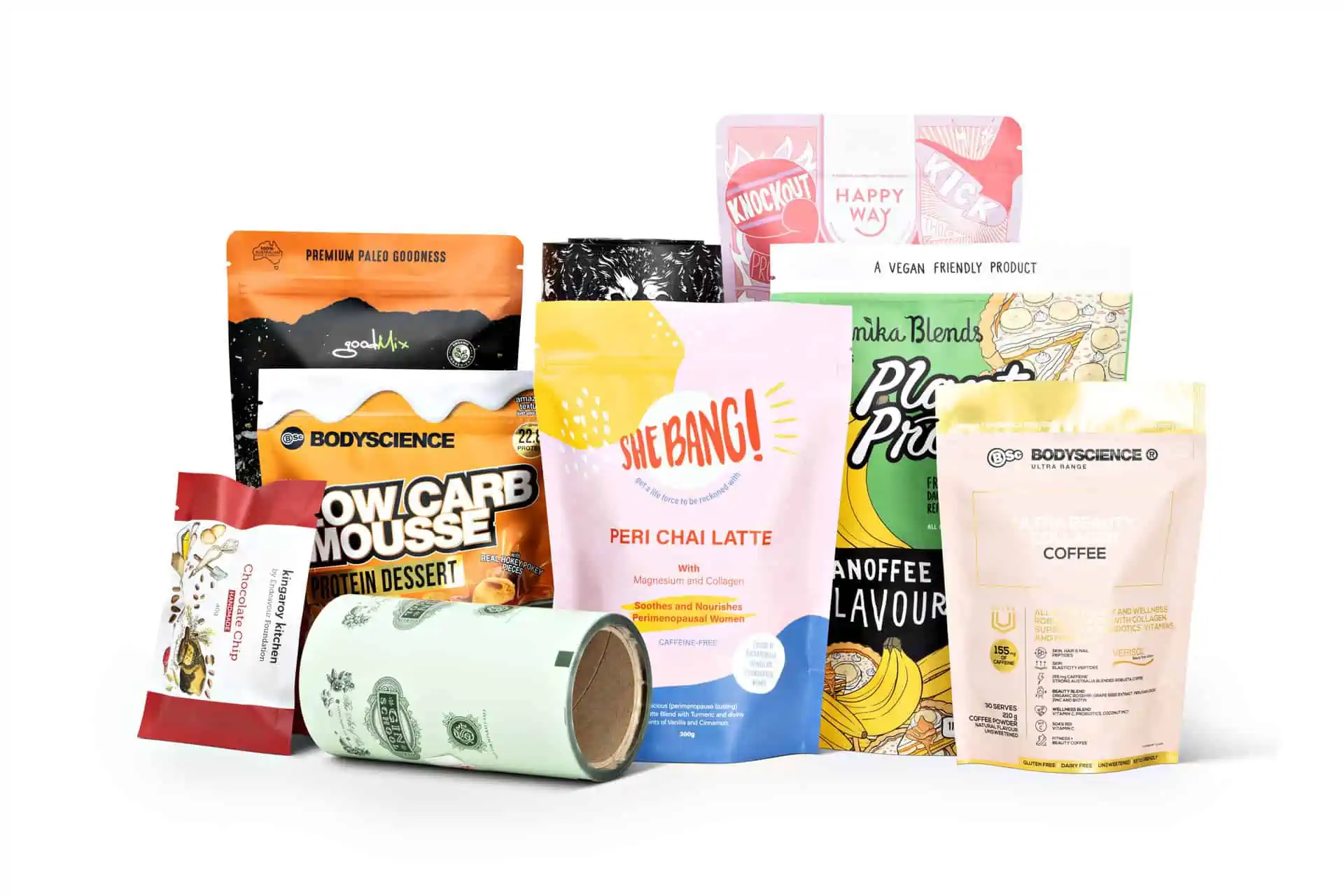
At Ultra Labels, we have built our reputation on helping brands bring those conversations to life. From digital and conventional print through to flexible packaging solutions, we partner with businesses of all sizes to create labels that work as hard as the product inside.
Packaging design trends shift quickly, and what worked yesterday may not capture attention today, which is why staying ahead is so important. As we move through 2025, fresh approaches are already reshaping the way brands connect with consumers. In this article, we share the trends we have seen firsthand this year.
Key takeaways
- Eco-friendly packaging is now expected, with today’s consumers actively supporting brands that prioritise sustainability.
- Physical packaging is no longer static, with personalisation and interactivity creating new ways for customers to engage.
- Minimalist packaging remains appealing because it conveys quality through simplicity.
- Striking fonts and vibrant colour palettes are helping brands stand out on crowded shelves.
- From smart labels to retro-inspired fonts, technology and nostalgia are trends gaining momentum.
1. Sustainability and Eco-Friendly Materials
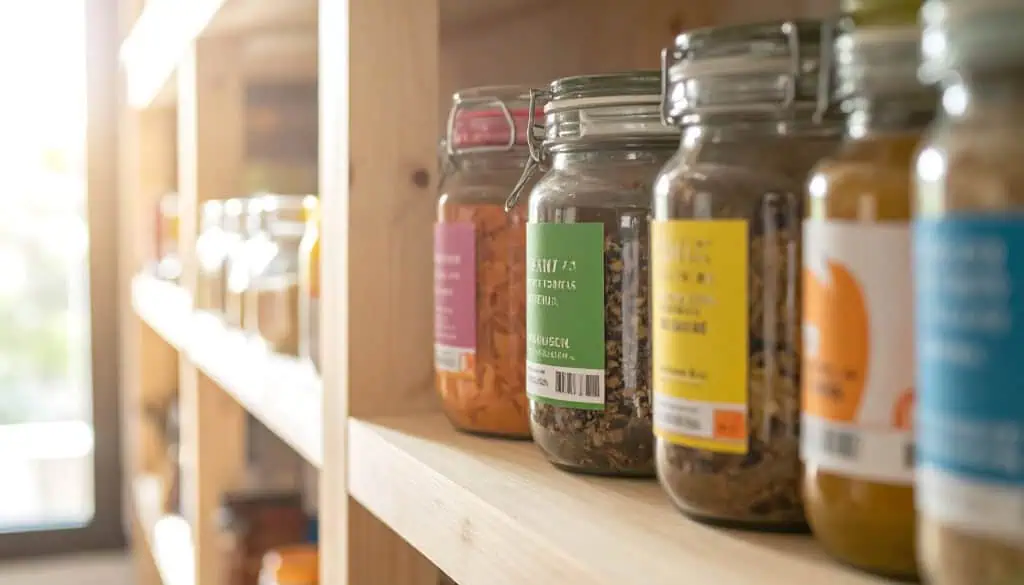
Sustainability is no longer just a trend in packaging; it’s become the new standard. Consumer expectations are shifting, and more people are actively seeking our brands that show genuine environmental responsibility. Packaging is often the first signal that a product aligns with these values, and choosing sustainable materials is one of the clearest ways a brand can demonstrate its commitment.
In 2025, the options for sustainable packaging are more accessible than ever. Recycled materials such as papers and films are being used in creative new ways, making it easier for industries that once struggled to make the switch. Digital printing has also helped reduce impact by cutting out chemical processing, lowering energy use, and supporting smaller print runs, so businesses only order what they need. This technique reduces waste while still delivering quality finishes that stand out on the shelf.
At Ultra Labels, we don’t just create engaging packaging and labels; we are dedicated to lowering our carbon footprint. Our facilities meet strict ISO environmental standards, our digital presses minimise impact, and we work with suppliers to source sustainable materials for both labels and flexible packaging. We are proud to support Australia’s 2025 National Packaging Targets and help our clients stay ahead of today’s sustainability standards.
2. Personalised and Interactive Packaging
Creative packaging design is redefining the role of packaging, transforming it from just a container with a label into an opportunity for interaction and connection with shoppers. Consumers are looking for experiences that feel personal, and packaging is becoming one of the most effective ways to deliver that.
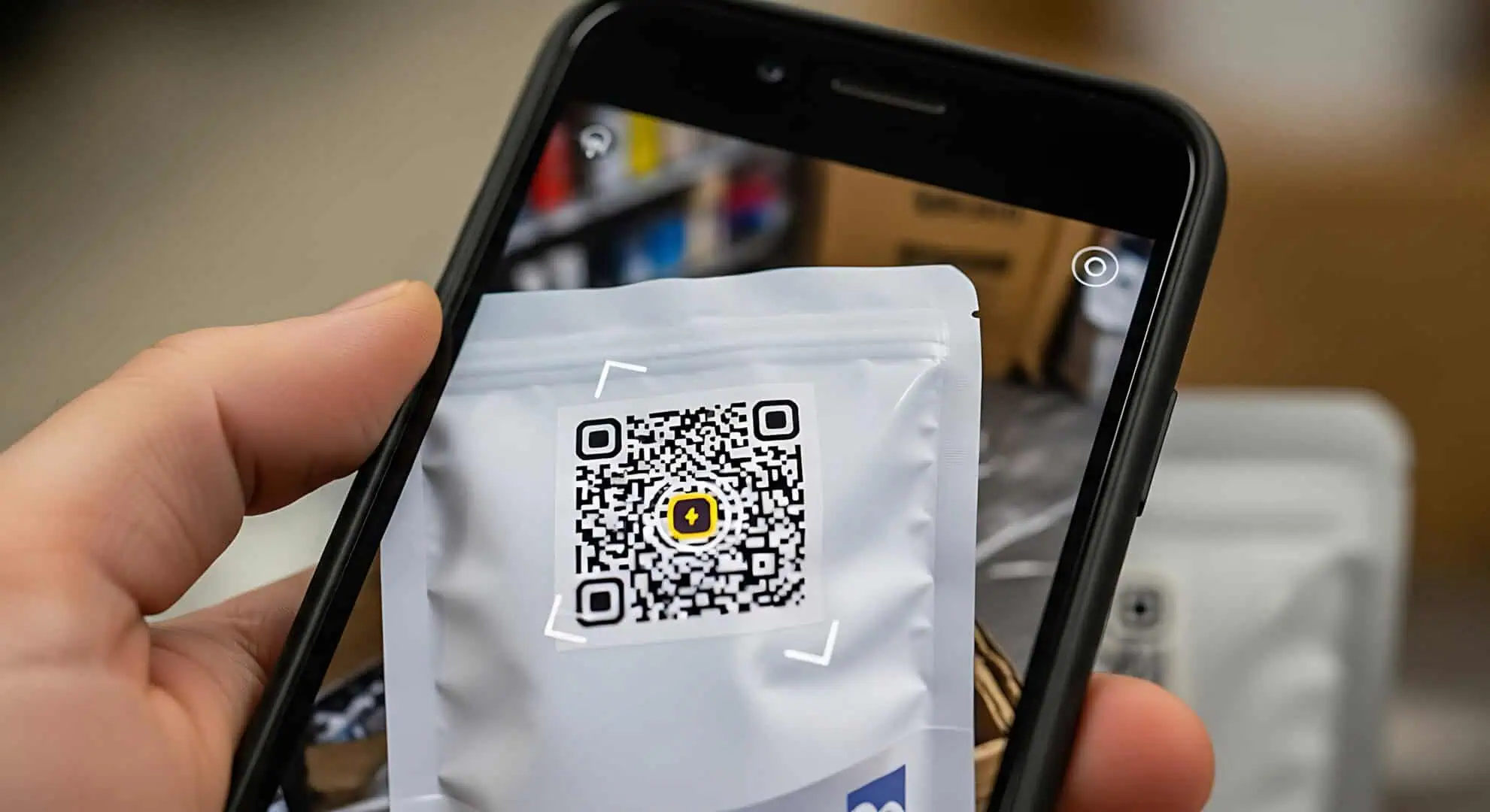
The use of interactive features continues to grow. QR codes quickly link shoppers to tutorials or promotions, and Augmented Reality (AR) expands labels into a space for videos, games, and storytelling. These design elements add value beyond the shelf and encourage people to spend more time engaging with a brand.
Personalisation is also helping to strengthen loyalty. Digital printing allows businesses to adapt packaging with variable data, changing names, colours, or graphics so that each customer feels part of the brand story.
A well-known example is Nutella’s “Your Nutella, Your Way” campaign that allowed buyers to put their name on their very own jar. It was playful, memorable, and perfect for gift giving, turning a pantry staple into something personal and shareable.
3. Minimalist and Clean Design Aesthetics
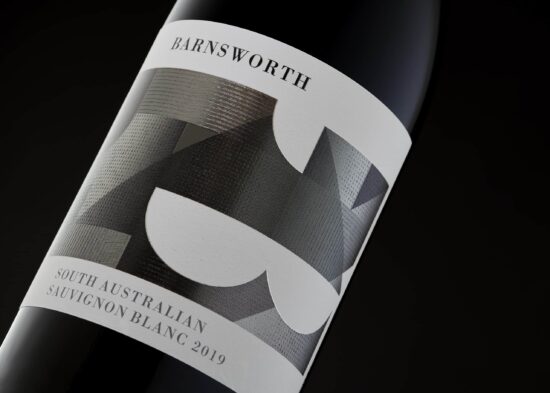
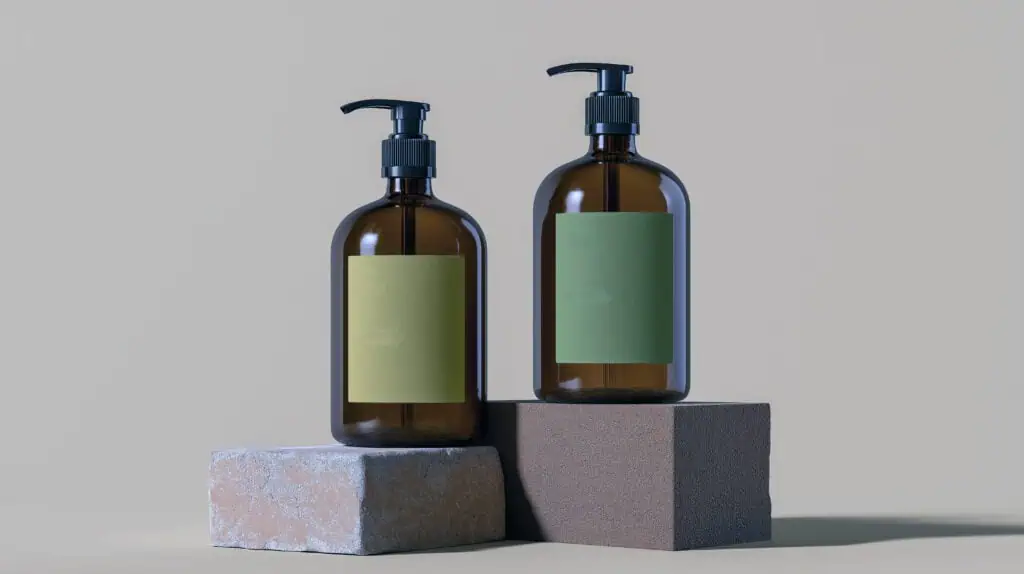
In today’s packaging landscape, less is often more. Minimalist design has always been popular in branding, and what was once seen as a passing packaging trend is now firmly established as an approach that continues to shape how consumers view a product. Clean lines, subtle colours, and space to breathe make packaging feel modern, trustworthy, and premium without needing to say too much.
The strength of this style lies in its simplicity. Instead of overwhelming the eye, minimalist packaging focuses attention on what matters most: the product and the brand behind it. From bold typography on a plain background to simplistic scribbles that serve as a playful yet restrained detail, every element is thoughtfully chosen.
Good graphic design is what makes minimalism work. It’s not about not doing much; it’s about doing more with less. The fonts, colours, and spacing all need to be spot on to create a label that feels deliberate rather than empty. It’s a strategy that has proven its staying power and will continue to influence branding for years to come.
4. Bold Colours and Typography
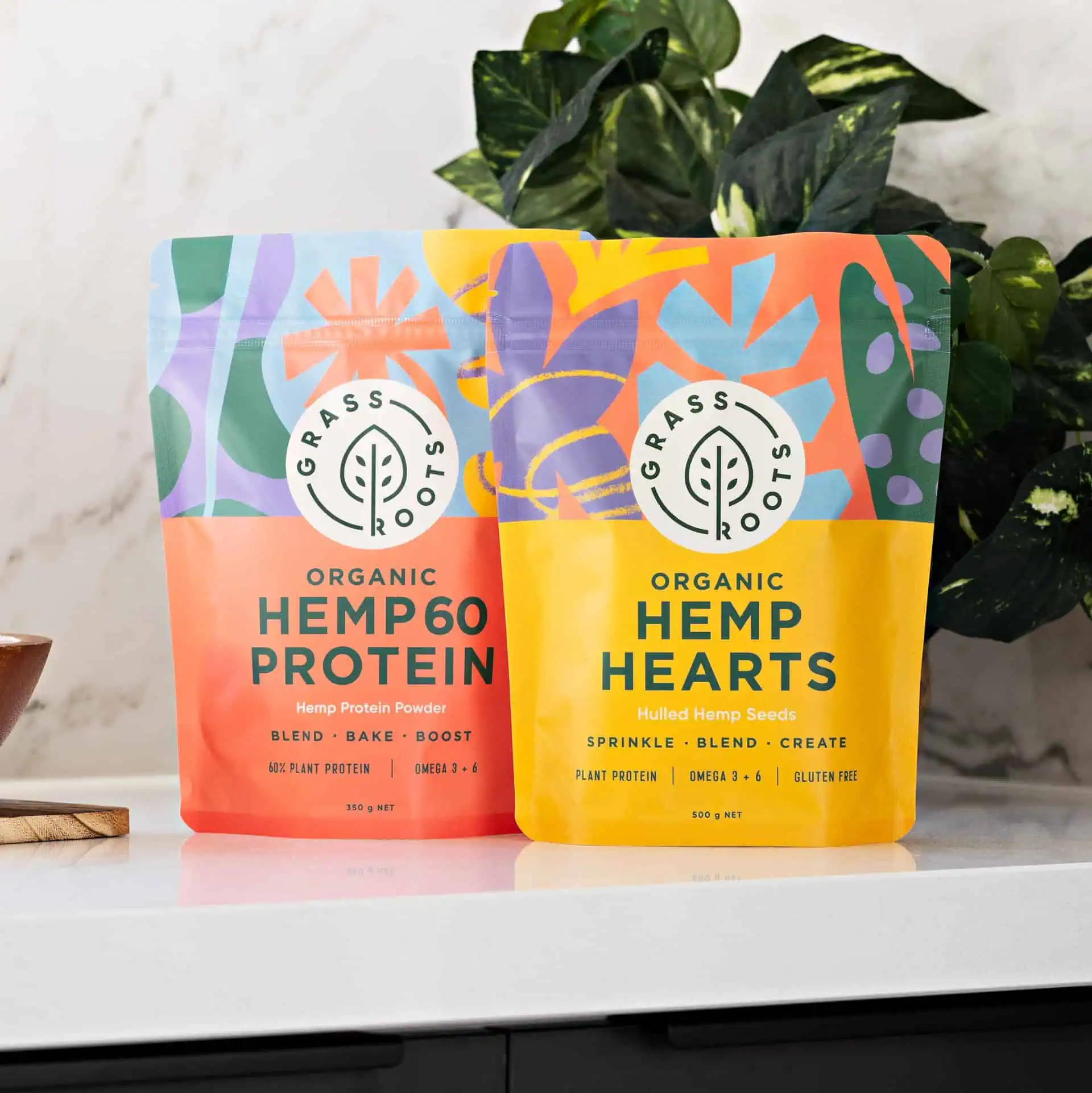
In a crowded market, bold colours and unique typography are proving to be some of the most effective ways to grab attention. Known as “dopamine branding,” this approach uses vibrant palettes and striking fonts to spark a positive emotional response and make products stand out instantly.
Many well-known brands have embraced this trend. From snack companies that use neon shades and oversized lettering to beauty brands experimenting with playful type across clean backgrounds, bold design choices are helping products leap off the shelf and feel memorable long after purchase.
The key is balance. Colours and fonts should always connect back to the brand’s personality rather than compete with it. A fun, youthful brand might choose bright pastels with rounded fonts, while a premium label may opt for deep tones paired with refined lettering. When used thoughtfully, bold design can attract attention while still feeling true to the brand.
5. Technology Integration in Packaging
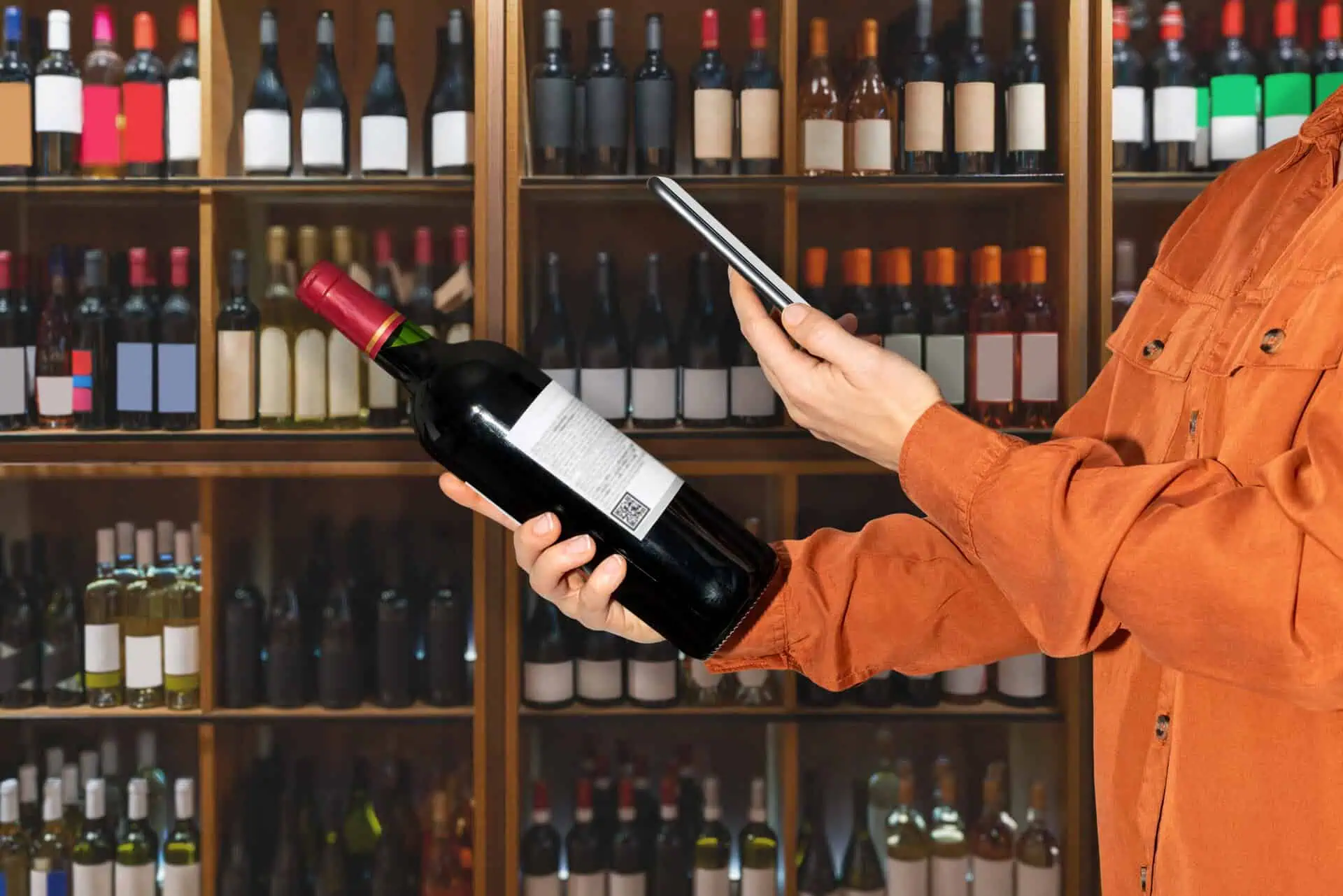
Technology is reshaping the role of packaging, turning it from something that once ended up in the bin into a tool that can help track, store, and protect products throughout their journey. What was once just a label or wrapper is now capable of carrying useful information for both businesses and consumers.
Smart features like NFC tags, RFID, and IoT sensors make this possible. They can follow a product from the factory floor to the store shelf, monitor conditions such as freshness or temperature, and even verify authenticity with a quick scan. For industries such as food, wine, and pharmaceuticals, this extra level of visibility is an added layer of trust and quality assurance.
Beyond freshness, smart packaging helps reduce waste by keeping track of expiry dates and can send alerts if goods are damaged in transit. For customers, this translates into more reliable information, greater trust, and safer products on the shelf.
6. Cultural and Nostalgic References
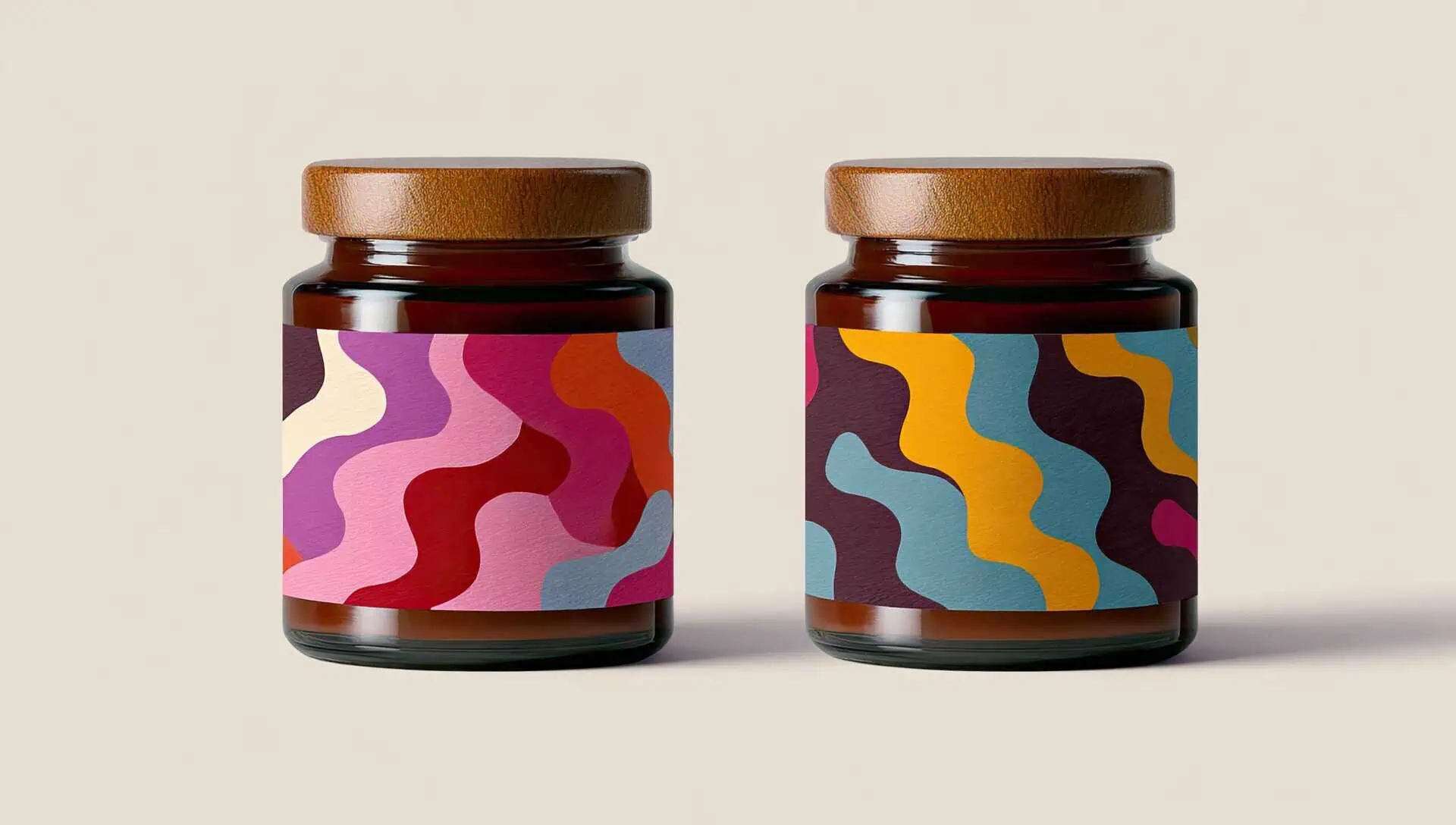
Nostalgia is playing a bigger role in packaging design for 2025. By tapping into retro aesthetics, brands can capture attention while sparking memories that feel familiar and reassuring. A label that uses geometric shapes, vintage-inspired fonts, or classic colour palettes can instantly stand out and connect with customers who enjoy a nod to the past.
Many brands are taking a playful approach to this trend. Soft drinks with throwback logos, chocolate bars in vintage wrappers, and beers that highlight local heritage show how cultural themes can turn simple packaging into something that feels more meaningful. These designs not only stand out visually but also create emotional connections that stay with customers long after the product is finished.
At its core, this trend is about storytelling. By weaving nostalgia and culture into design, packaging becomes more than branding — it becomes a way to link past and present while building stronger ties with customers.
The future of packaging blends sustainability with creativity
The key trends shaping 2025 show that packaging is more than presentation; it is a way to connect with customers and tell a story. From sustainable choices to bold styles, innovative materials, and nostalgic touches, fresh packaging designs are influencing how people see and remember brands. These shifts show the power of design in building trust and loyalty in an increasingly competitive market.
The highest quality custom labels. Ultra is the printing partner behind some of Australia’s leading brands.
Ultra is fortunate to be trusted by some of Australia’s most loved brands to print their custom labels and packaging. We’d love to team up with your brand next.