TL;DR
- Flexible packaging materials are lightweight, cost-effective, and widely used across food and industrial applications
- The right material improves shelf life, product protection, and brand impact
- Multi-layer laminates and flexible packaging technology enhance performance and durability
- Digital printing enables high-quality, short-run packaging with faster turnaround
- Sustainable materials can reduce environmental impact and support circular economy goals
- Choosing the right solution depends on product needs, barrier requirements, and production scale
Flexible packaging materials are becoming a preferred choice across the packaging industry as businesses look for more efficient, cost-effective, and sustainable packaging solutions. As demand grows for lightweight formats that improve supply chain efficiency and reduce waste, flexible packaging continues to evolve through advanced materials and technology.
Unlike rigid packaging such as boxes and cartons, flexible packaging adapts to the shape of the product, using less material while maintaining high performance. This makes it ideal for food packaging, dry goods, liquids, and a wide range of industrial applications.
Material selection plays a vital role in packaging success. It directly impacts product protection, branding, shelf life, and environmental performance. With extensive experience supporting Australian brands, Ultra Labels works closely with manufacturers and brand owners to deliver flexible packaging solutions that balance performance, efficiency, and sustainability.
The right flexible packaging material directly influences product integrity, transport efficiency, and how a brand shows up in the market.
What is Flexible Packaging?
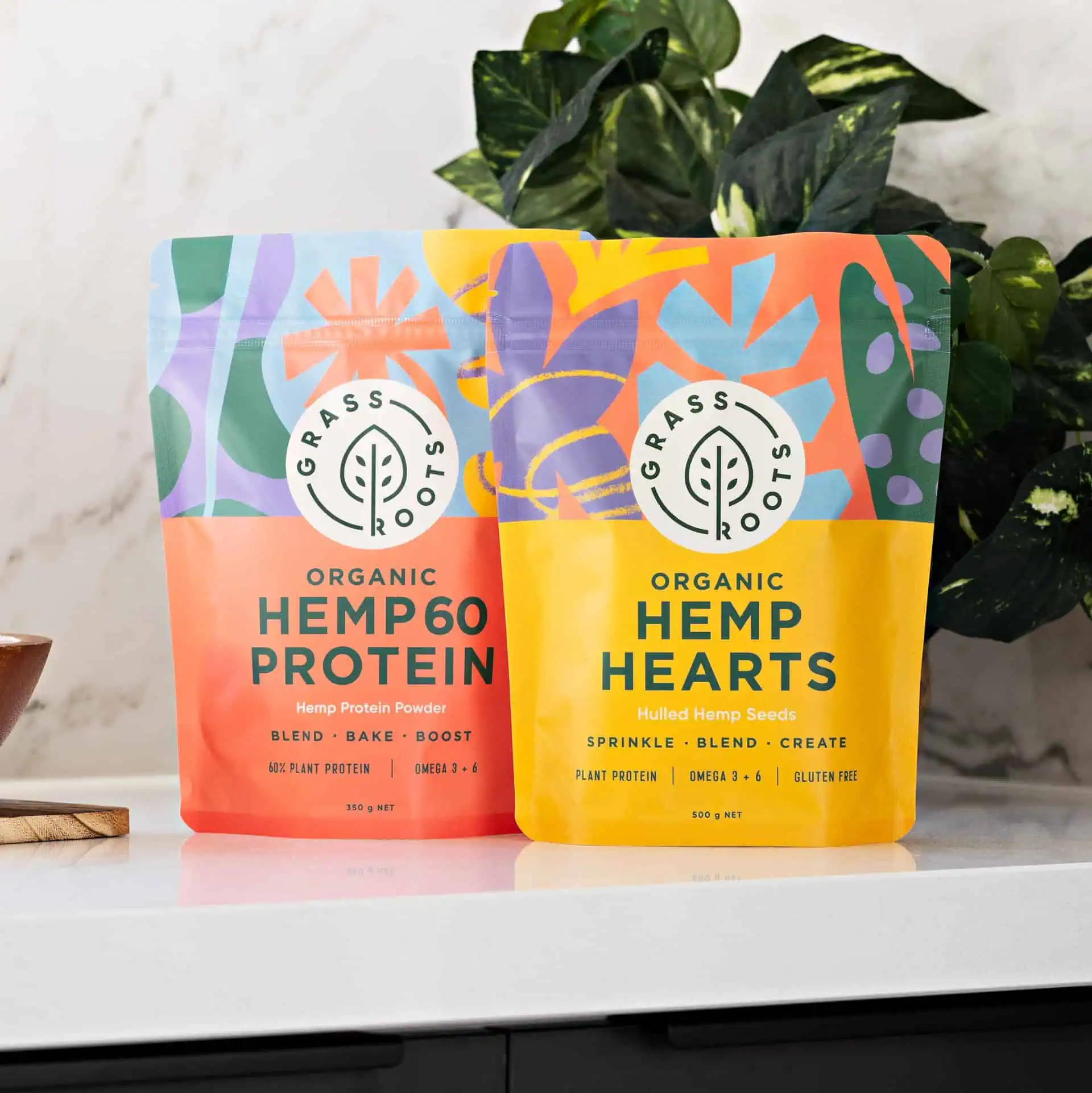
Flexible packaging refers to packaging made from materials that can easily bend or change shape, including pouches, films, wraps, liners, and bags. These materials are designed to be lightweight, adaptable, and efficient across production and distribution.
Key characteristics include reduced weight, improved storage efficiency, and compatibility with high-speed packaging equipment. Flexible packaging is widely used across food packaging, pet food products, fresh foods, and consumer goods where convenience and performance matter.
Advancements in flexible packaging technology and processing technologies have enabled manufacturers to deliver high-performance packaging that meets both functional and branding requirements.
Common Types of Flexible Packaging Materials
Shelf life refers to the length of time a food product remains safe and suitable for consumption while maintaining its intended quality. Factors such as oxygen exposure, moisture, light and temperature all directly influence food shelf life and product safety.
Without effective packaging, food spoilage can occur rapidly. Oxygen accelerates oxidation, moisture encourages microbial growth, and light exposure can degrade sensitive ingredients. This is where food packaging technology plays a vital role in preserving food safety and maintaining food quality.
Flexible packaging uses advanced barrier structures, including oxygen barrier films, to protect food and slow down deterioration by limiting oxygen exposure and controlling internal conditions. These structures are particularly important in the food packaging process, where consistency and reliability are essential.
By improving control over environmental factors, flexible packaging helps extend shelf life and supports food preservation throughout the food supply chain. This contributes to preventing food waste, reducing food loss and improving efficiency across food distribution networks.

Plastic films (PE, PP, PET)
Plastic films are one of the most widely used flexible packaging materials due to their durability, clarity, and resistance to moisture and heat. They are commonly used for plastic bags, pouches, and food packaging applications where cost efficiency and scalability are important.

Aluminium foil
Aluminium foil provides high barriers against oxygen, moisture, and light, making it ideal for products that require extended shelf life. It is often used for sensitive food items and products that need strong protection from environmental exposure.

Paper-based materials
Paper-based packaging, including kraft and coated paper, offers a more sustainable and premium look. While paper alone has limited barrier properties, it is often combined with other materials to improve strength and performance while supporting eco-friendly branding.

Biodegradable and compostable films
These plant-based materials are designed to reduce environmental impact and support sustainability goals. They are suitable for brands looking to align with circular economy initiatives, although performance must be carefully matched to product requirements.

Laminates (multi-layer structures)
Laminates combine multiple materials to deliver enhanced performance. These multi-layer structures provide high barriers, durability, and improved print quality, making them ideal for products requiring protection from moisture, oxygen, and other external factors.
With deep technical expertise across flexible packaging materials, Ultra Labels supports the development of tailored solutions that meet both functional and commercial requirements.
Key Benefits of Flexible Packaging

Cost efficiency
Flexible packaging materials reduce material usage, lower production costs, and improve transport efficiency due to their lightweight nature. They take up less space across the supply chain, making them a highly cost-effective option for manufacturers and brand owners.

Shelf appeal and branding
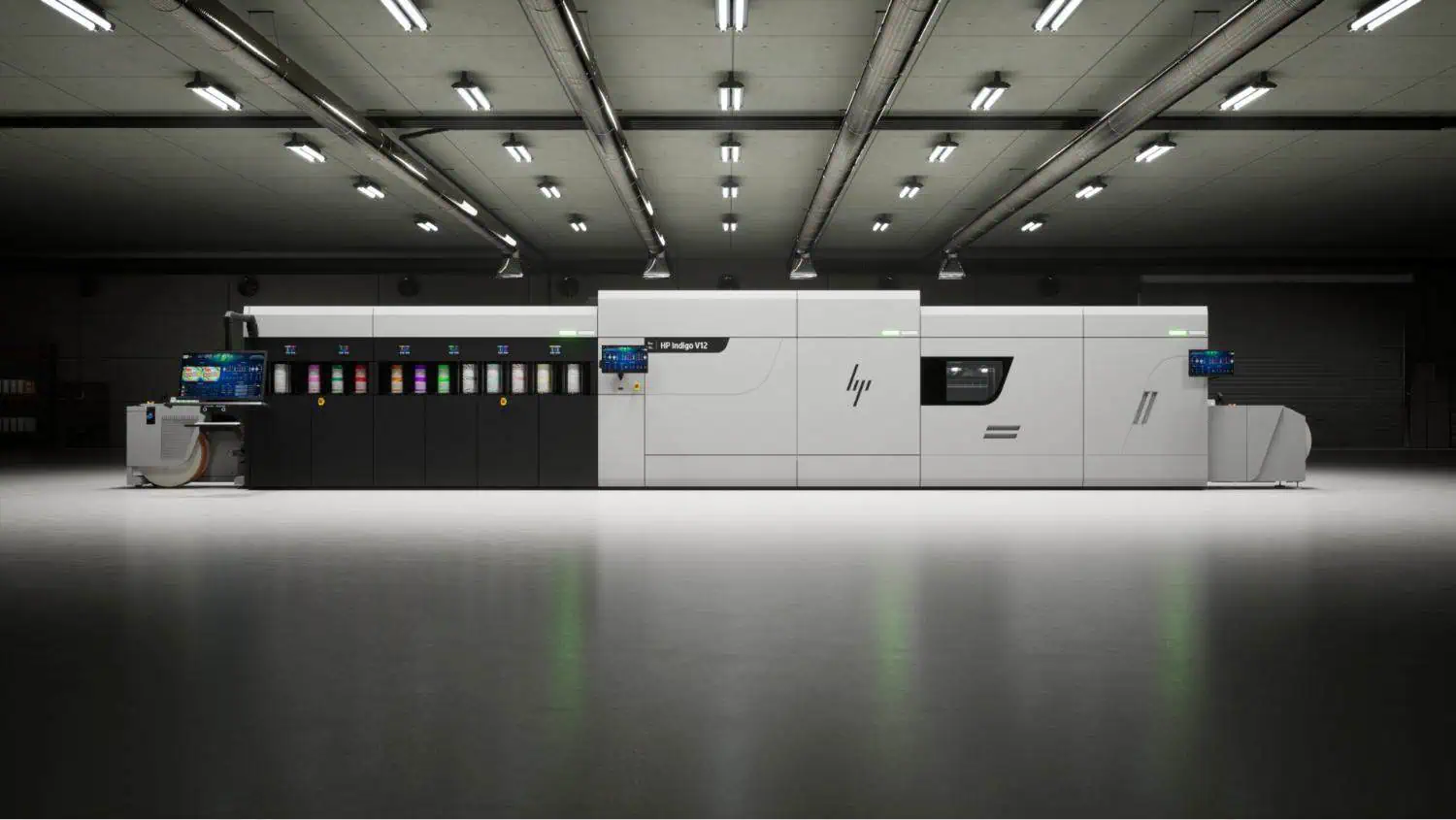
Flexible packaging supports high-quality digital printing, allowing brands to create visually impactful designs that stand out. With advanced digital printing machines for flexible packaging, brands can produce high-quality, detailed designs with faster turnaround and greater flexibility across short and large production runs.

Product protection and extended shelf life
Flexible packaging materials can be engineered with tailored barrier properties to protect against moisture, oxygen, and contaminants. This helps extend shelf life, maintain product quality, and reduce food waste across a wide range of food and consumer products.

Sustainability advantages
Flexible packaging uses less material and energy compared to rigid alternatives, helping reduce overall carbon footprint. The use of sustainable materials and innovations in flexible packaging technology also support circular economy initiatives and environmentally responsible packaging solutions.

Convenience for consumers
Flexible formats such as pouches and bags offer convenience through resealable closures, portability, and easy-open features. These benefits improve usability and enhance the overall consumer experience.
How to Choose the Right Flexible Packaging Material
Choosing the right flexible packaging material starts with understanding your product. Shelf life requirements, sensitivity to moisture or oxygen, and product type all influence material selection.
Storage and transport conditions are equally important. Packaging must perform consistently across temperature changes, handling, and logistics environments to maintain product quality.
Barrier properties should be carefully evaluated. Products that are sensitive to oxygen, moisture, or UV exposure require high-performance materials, often achieved through multi-layer laminates.
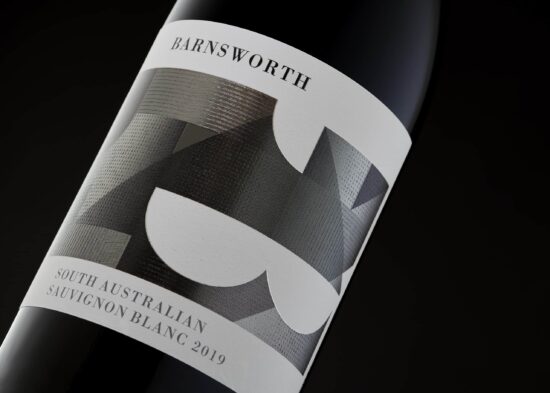
Branding and packaging design also play a key role. High-quality printing, finishes, and material selection all contribute to how a product is perceived in the market. Flexible packaging technology allows brands to achieve strong visual impact while maintaining efficiency.
Sustainability goals are increasingly shaping decisions. Businesses are looking for recyclable, compostable, or reduced-material options that align with environmental expectations.
Budget and production volume should also be considered. Flexible packaging machines and digital printing enable efficient production across both small and large runs, helping balance cost and flexibility.
Working with an experienced partner like Ultra Labels ensures these factors are considered holistically, resulting in packaging that performs across the entire product lifecycle.
Common Mistakes to Avoid

Choosing materials based on cost alone
Focusing only on price can lead to poor performance, reduced shelf life, and higher long-term costs. The cheapest option is rarely the most effective when product protection and brand perception are considered.
In many cases, lower-cost materials may lack the barrier strength or durability needed to protect the product through storage, transport, and shelf display. This can result in spoilage, damage, or the need for rework, ultimately increasing costs over time. A more balanced approach considers both upfront cost and long-term performance to ensure the packaging delivers value across the full product lifecycle.

Ignoring barrier requirements
Failing to account for moisture, oxygen, or light exposure can compromise product quality. Without the right barrier properties, packaging may lead to spoilage, contamination, or reduced shelf life.
Different products have different sensitivities, and even small variations in barrier performance can significantly impact product integrity. For example, fresh foods and pet food products often require high barriers to maintain quality and prevent degradation. Understanding these requirements early ensures the selected material provides consistent protection in real-world conditions.

Overlooking sustainability expectations
As demand for sustainable packaging grows, ignoring environmental impact can affect both compliance and brand reputation. Choosing materials that align with circular economy goals is becoming increasingly important.
Consumers and retailers are placing greater emphasis on transparency, recyclability, and reduced carbon footprint. Packaging that fails to meet these expectations may limit market opportunities or weaken brand positioning. Considering sustainable materials alongside performance requirements allows businesses to meet both environmental and commercial goals.

Not considering consumer usability
Packaging that is difficult to open, reseal, or store can negatively impact the customer experience. Convenience plays a key role in how consumers perceive and interact with a product.
Features such as resealable closures, easy-tear openings, and compact formats can improve usability and increase customer satisfaction. In competitive markets, these small details can influence repeat purchases and overall brand perception, particularly for food packaging and everyday consumer goods.

Failing to test before scaling
Skipping testing can result in costly production issues, performance failures, or supply chain disruptions. Proper testing ensures packaging performs as expected under real-world conditions.
Testing allows businesses to assess how materials respond to sealing, transport, storage, and handling. It also helps identify potential issues before full-scale production, reducing the risk of delays, waste, or product loss. Working with experienced manufacturers ensures materials are validated before rollout, supporting consistent performance and efficiency.
Why Partner with Ultra Labels for Flexible Packaging
Ultra Labels combines technical expertise with a consultative approach to deliver high-quality flexible packaging solutions.
As an Australian-owned manufacturer, Ultra works closely with brand owners and manufacturers to develop packaging that meets performance, design, and sustainability requirements.
From concept through to production, the team supports customers with tailored solutions, fast turnaround times, and access to advanced flexible packaging machines and digital printing technology.
Trusted by leading Australian brands, Ultra Labels delivers packaging solutions that balance innovation, efficiency, and reliability.
Choosing the Right Flexible Packaging for Your Product
Selecting the right flexible packaging materials is essential for protecting your product, enhancing your brand, and meeting sustainability goals.
With the right combination of materials, technology, and expertise, businesses can achieve packaging that performs across every stage of the supply chain.
For tailored advice and high-performance packaging solutions, contact Ultra Labels to create packaging that works for your product and your brand.