TL;DR
What it is: Pouches, sachets, bags, films, and wraps that protect food products while keeping them fresh and shelf-ready.
Safety: Food-grade materials with the right barrier protection prevent contamination, moisture ingress, and spoilage.
Compliance: Australian food brands must meet FSANZ and ACCC requirements on materials, labelling, and traceability.
Sustainability: Recyclable and compostable films are increasingly accessible without sacrificing food protection.
Right supplier: An experienced Australian manufacturer like Ultra Labels means faster turnaround, local compliance expertise, and consistent quality.
What is food flexible packaging?
When most people picture packaging, they think of rigid containers, but food flexible packaging covers the broad range of pliable, lightweight formats that enclose and protect food products from production to consumer. This includes pouches, sachets, flexible bags, wraps, roll-stock films, and resealable packaging, all formats that adapt to the shape of the product, using less material and taking up less storage space.
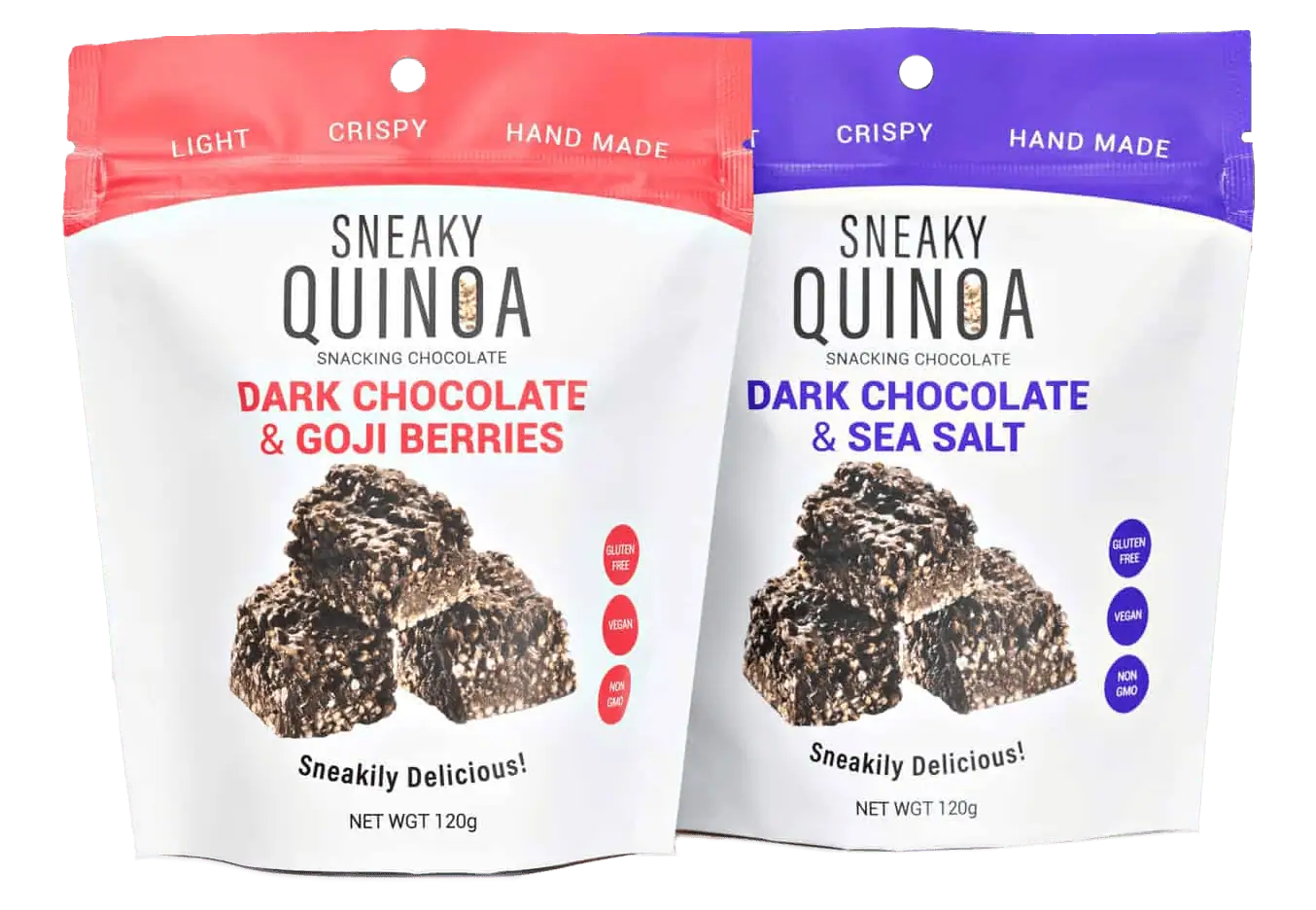
Flexible packaging for food products is used across snacks, coffee, frozen foods, pet food, confectionery, dairy products, bakery products, fresh meat, protein bars, and health supplements. It’s lighter than rigid alternatives, often extends shelf life through superior barrier properties, and supports high-quality printing, resealable closures, and efficient short or long production runs.
"One of the most common food safety mistakes brands make is prioritising cost and aesthetics over barrier performance. Getting this wrong creates returns and reputational damage that far outweigh any savings made upfront."
Ultra Labels
Why food safety matters in flexible packaging
For food-grade flexible packaging, material selection is the primary line of defence against contamination, moisture, oxygen exposure, and tampering. The right flexible packaging for food products delivers barrier protection at multiple levels. Moisture barriers protect dry goods like snacks and bakery products. Oxygen barriers preserve freshness and nutritional value in products sensitive to oxidation. Light barriers protect coffee, dairy, and health supplements from UV degradation.
Seal integrity is equally critical. Poor sealing allows air or contaminants to enter the pack, accelerating spoilage and creating genuine food safety risks. Food brands must also consider puncture resistance — particularly relevant for frozen foods, fresh meat packaging, and products with sharp edges that could compromise the pack during handling and transport.
"One of the most common food safety mistakes brands make is prioritising cost and aesthetics over barrier performance. Getting this wrong creates returns and reputational damage that far outweigh any savings made upfront."
Ultra Labels
Understanding Australian food packaging compliance requirements
Operating as a food brand in Australia means navigating a clear framework of regulatory requirements and packaging is central to that compliance picture. The two primary bodies governing food packaging compliance in Australia are Food Standards Australia New Zealand (FSANZ) and the Australian Competition and Consumer Commission (ACCC).
Food Standards Australia New Zealand (FSANZ) sets the standards for food-safe materials, including migration testing requirements that assess whether chemicals from packaging can transfer into the food product. Brands must demonstrate their materials meet applicable migration limits for the intended food contact application.
The ACCC enforces mandatory labelling requirements covering country of origin, ingredient declarations, allergen warnings, nutritional information, and use-by dates. Non-compliant labelling exposes brands to enforcement action, product recalls, and financial penalties. Product traceability and batch tracking are additional considerations for brands supplying retail or foodservice operators.
"Many brands underestimate compliance requirements until late in production. We help clients navigate this early"
Ultra Labels
Sustainable food flexible packaging trends
Sustainability is now a mainstream expectation from consumers, retailers, and regulators. Recyclable mono-material structures — where all packaging layers share the same polymer type — are designed to be processed through existing recycling streams. Compostable films made from bio-based feedstocks offer an alternative end-of-life pathway for environmentally conscious brands.
Lightweight flexible packaging also reduces material usage and transportation emissions across the supply chain. The key challenge is balancing sustainability with food protection performance, a compostable film that fails to maintain freshness is not a viable solution for products requiring meaningful shelf life.
"Sustainable packaging options are now far more capable than they were even a few years ago. We help food brands find solutions that meet both their environmental goals and product protection requirements, the two don't have to be in conflict."
Ultra Labels
How flexible packaging improves product shelf appeal
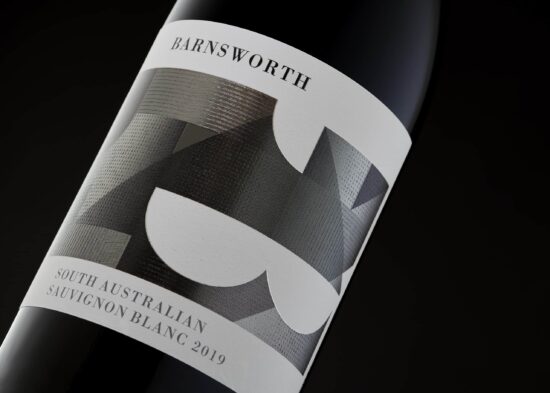
In a competitive retail environment, packaging works as a marketing tool before a consumer even picks a product up. Flexible packaging gives food brands significant creative latitude. Vibrant colour reproduction across the full pack surface, custom finishes including matte, gloss, metallic, and soft-touch laminates, and transparent windows that let the product speak for itself.
Stand-up pouches with clear windows and resealable closures dominate the snacks, coffee, and health products categories because they combine strong shelf presence with convenience that consumers value. Ultra Labels brings award-winning digital printing expertise to food flexible packaging, delivering precise, vivid results that help products stand out, on boutique artisan runs and high-volume retail lines alike.
Choosing the right flexible packaging for your food product
Selecting the right flexible packaging solution starts with your product’s characteristics, its moisture content, oxygen sensitivity, required shelf life, and storage conditions. Transportation requirements, retail specifications, and resealable options such as zipper closures all factor into the decision.
Stand-up pouches suit coffee packaging and snack packaging where shelf appeal and resealability matter. Frozen food packaging requires materials that maintain integrity at low temperatures. Sachets and portion-sized flexible bags work well for single-serve applications. Dry goods packaging benefits from strong moisture and oxygen barriers to preserve freshness.
Ultra Labels’ packaging consultants work with food brands to identify the perfect packaging solution, balancing protection, aesthetics, compliance, and cost effectiveness.
Explore our range of flexible packaging solutions to find the right fit for your product.
Common mistakes food brands make when choosing packaging

Prioritising cost over quality
inadequate barrier materials compromise shelf life and lead to costly returns.
Ignoring compliance
treating FSANZ and ACCC requirements as an afterthought creates expensive late-stage revisions.
Choosing incorrect barrier materials
selecting a structure unsuited to a product's moisture or oxygen sensitivity leads to premature spoilage.
Overcomplicated designs
artwork that exceeds the material or print process results in inconsistent colour and poor finish.
Poor supplier communication
failing to brief your manufacturer fully on product and logistical requirements leads to misaligned specifications.
Partnering with the right packaging manufacturer
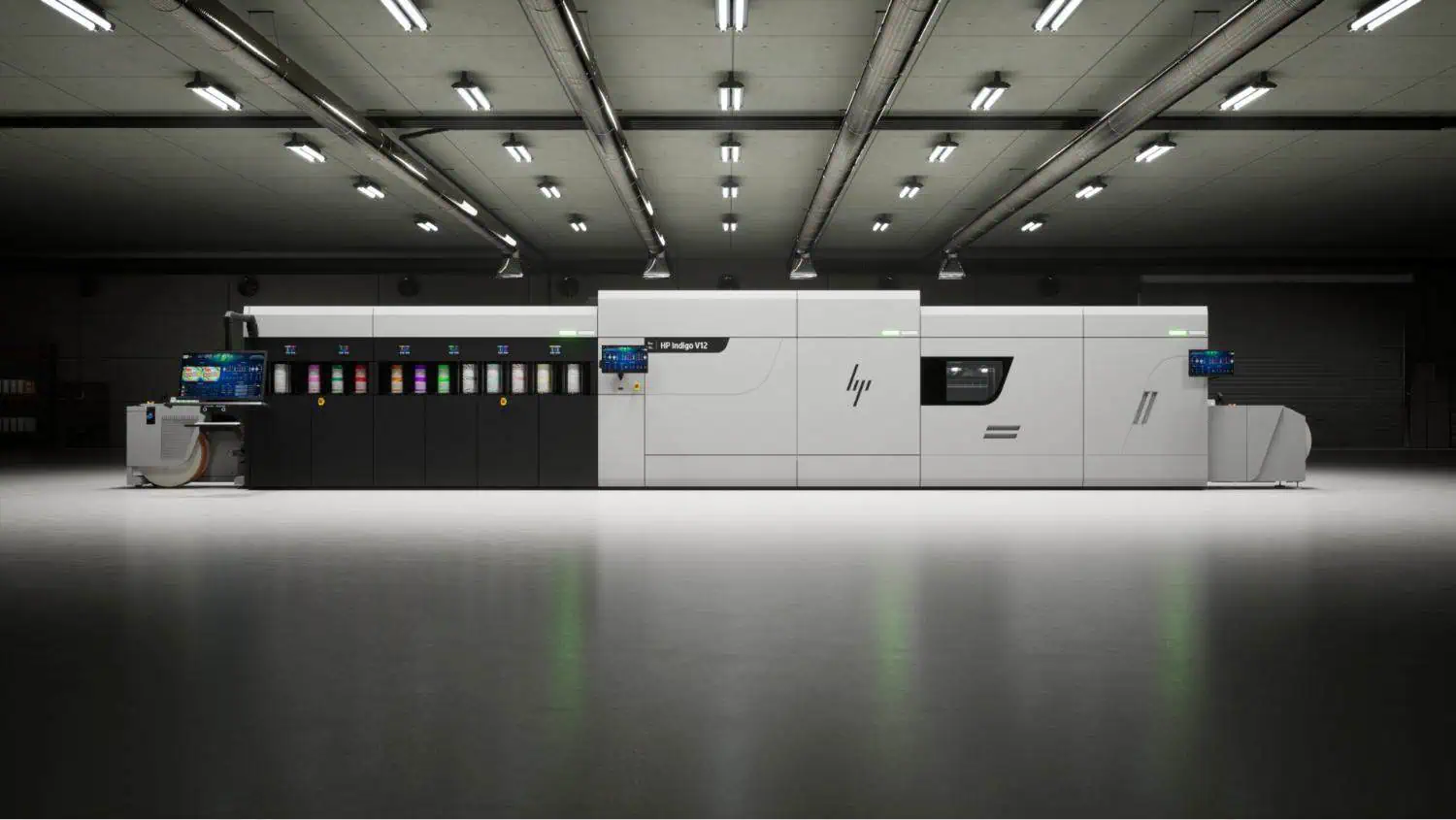
The right packaging manufacturer is as important as the packaging itself. Ultra Labels is an Australian-owned manufacturer established in 2009, with operations across Brisbane, Sydney, and the Barossa Valley. As Queensland’s first exclusively digital label printer, Ultra has built a reputation for quality, innovation, and responsiveness across labels and flexible packaging.
Local manufacturing means faster turnaround times, more responsive communication, better quality control, and a team that understands Australian compliance requirements. As your business grows, Ultra scales with you, from short-run sampling through to high-volume production across snacks, coffee, pet food, health, and confectionery categories.
Speak with Ultra about food flexible packaging solutions
Whether you’re launching a new product, updating an existing range, or looking to improve compliance, sustainability, or shelf appeal, the team at Ultra Labels is here to help. From initial consultation through to custom packaging development, the team provides end-to-end support tailored to Australian food brands.
Contact Ultra Labels or request a quote today to discuss your food flexible packaging needs.